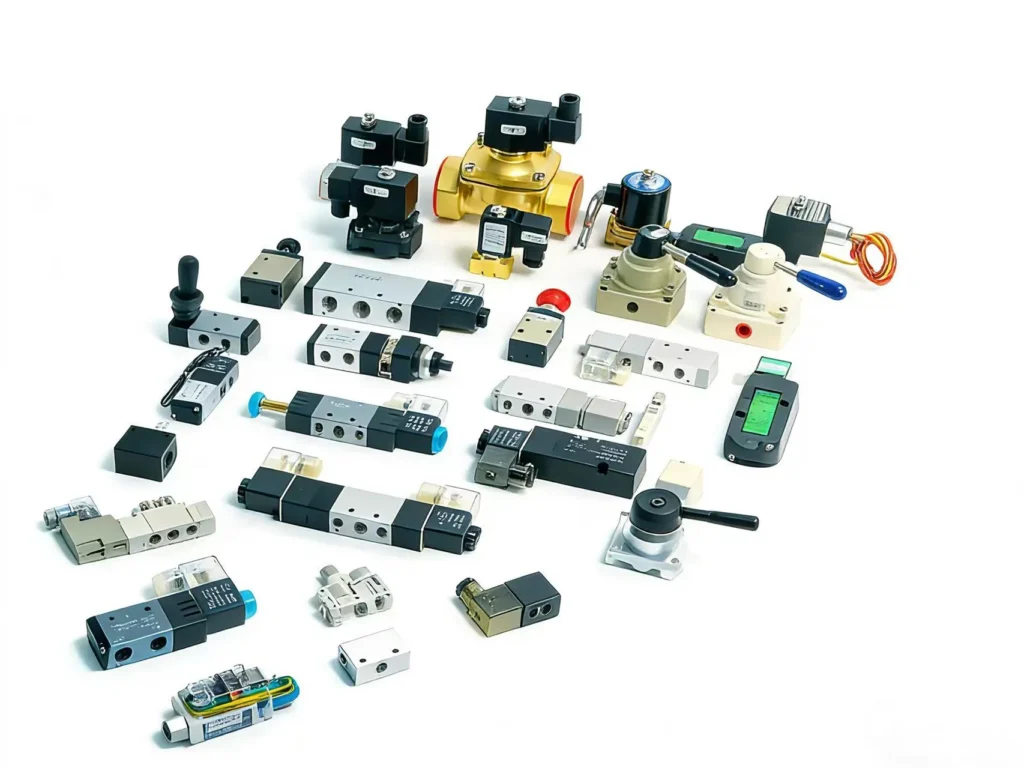
Pneumatic solenoid valves are the driving force for smooth automation and efficient mechanical operation, because they can accelerate and efficiently control the airflow.
These pneumatic solenoid valves are an important part of many industries. But what is their working principle? Why are they crucial? The internal structure and design of the pneumatic solenoid valve give it efficiency and reliability.
This blog will explore them and introduce the control methods, advantages and instructions to help you choose the most suitable valve for your application. Let ‘s start !
What Is a Pneumatic Solenoid Valve?
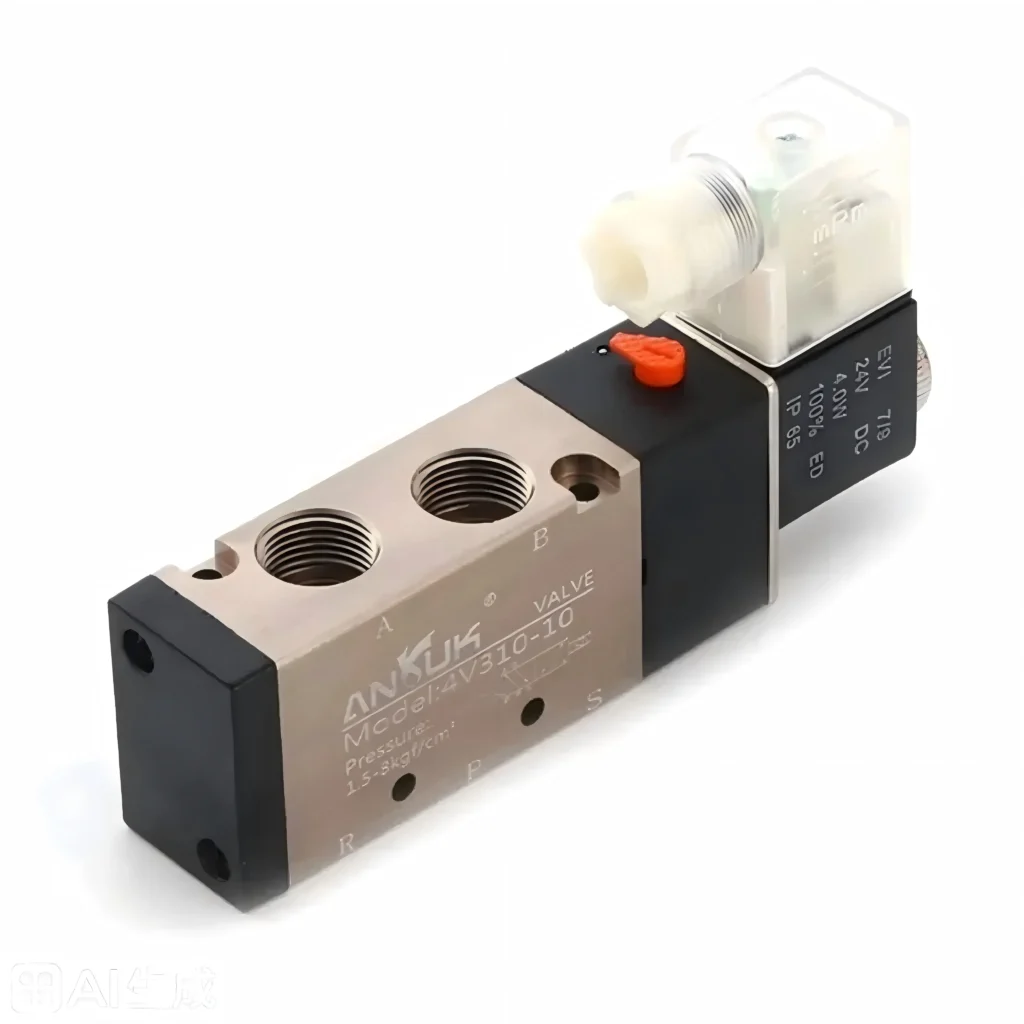
A pneumatic solenoid valve is an electric device used to control the flow of air or gas within the boundary of the pneumatic system. When the electrical signal is sent to the valve, the valve switches by allowing or blocking the passage of compressed air.
These pneumatic solenoid valves are very popular in industrial automation, fluid control technology and manufacturing processes due to their high efficiency and excellent performance.
Internal Construction: What’s Inside a Pneumatic Solenoid Valve?
Understanding the structure of the pneumatic solenoid valve will help you to troubleshoot problems later. The following are key components :
- Coil ( solenoid ) : Convert current into magnetic force.
- Plunger ( core ) : move up and down by magnetic force.
- Spring : Ensure backflow when power is off.
- Valve body : including port, seal and flow path.
- Orifice : a small internal opening for air circulation.
Some advanced valves include silencers ( used to reduce exhaust noise ), LED indicators ( indicating whether power is on ) or manual coverage devices for testing.
Uses and Applications
Let ‘s see where these valves actually appear :
| Industry | Example Applications |
| Packaging | Filling machines, heat sealers |
| Automotive | Assembly robots, tire inflation stations |
| Medical Devices | Oxygen control, sterilization chambers |
| Agriculture | lrrigation systems, sorting conveyors |
| HVAC | Air dampers, pressure boosters |
Manufacturing and Automation
Pneumatic cylinders, mechanical arms, conveyor belts, etc.are all driven by air and all functions are controlled by these valves. These are the core of loading and unloading containers, material transportation, assembly line systems and packaging, all of which help to improve efficiency.
Automotive Industry
For trucks and large vehicles, these valves help control compressed air and ensure the safe and seamless operation of machinery. These valves are also involved in brake mechanism and engine control.
Medical Equipment
The precision required for medical equipment is met by these valves, which efficiently control the airflow of ventilators, oxygen supply systems and even diagnostic instruments. The speed and reliability of these valves make them ideal for a variety of applications including life-saving interventions.
HVAC Systems
These valves help to efficiently manage temperature, thereby improving energy efficiency and comfort for users in buildings, hospitals and factories.
Food and Beverage Sector
Pneumatic solenoid valve ensures air hygiene and pollution-free control of bottling, cleaning and packaging systems in food processing plants. They also often appear in filling machines and sterilization equipment.
Farming and Irrigation Systems
For industries that rely on automation, productivity, and safety, pneumatic solenoid valves provide speed, accuracy and accuracy in control that make them irreplaceable.
Working Principle of Pneumatic Solenoid Valves
The pneumatic solenoid valve works by electromagnetic force. When the current passes through the electromagnetic coil, a magnetic field is generated, which determines the movement of the iron metal rod. This is the basic process of solenoid valves.
The pneumatic solenoid valve can be opened or closed normally :
When the pneumatic solenoid valve is normally open ( N / O ), the valve remains open when the solenoid valve is not energized.
When the pneumatic solenoid valve is normally closed ( N / C ), the valve remains closed when the solenoid valve is not energized.
Common Pneumatic Solenoid Valves’ Types
Pneumatic solenoid valves are classified according to the number of ports and the number of stable positions.
The interface is just the connection point of air in and out.
Position refers to the number of configurations that can be switched between internal components of the valve.
| Valve Type | Ports | Positions | Common Use |
| 2/2-way | 2 | 2 | On/off air flow, basic shutoff |
| 3/2-way | 3 | 2 | Controls single-acting cylinders |
| 5/2-way | 5 | 2 | Double-acting cylinder control |
| 5/3-way | 5 | 3 | Holds cylinder in mid-position |
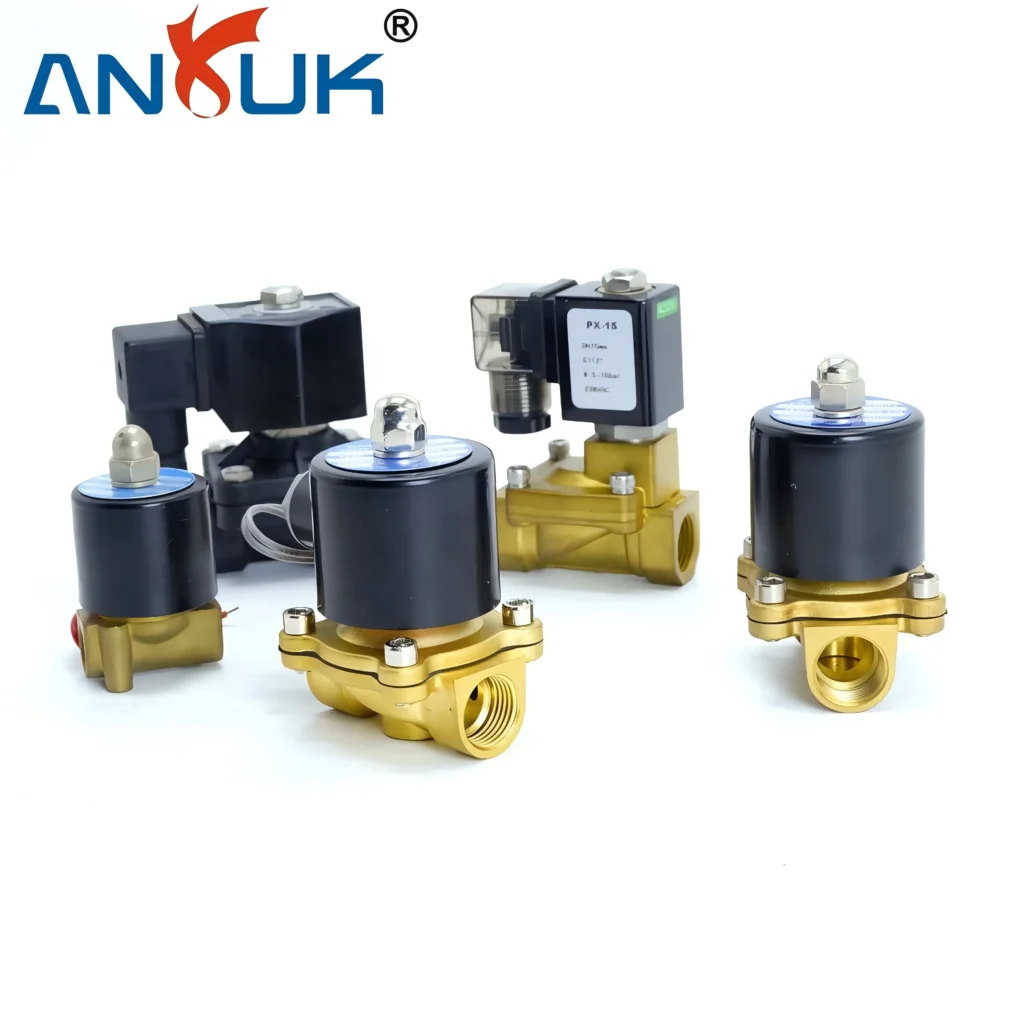
2/2- Way Valve
A typical example of a 2 / 2 way pneumatic solenoid valve is the drive of a pneumatic device. This valve can accurately control the movement of the pneumatic gripper. Preventing or allowing gas to flow through a pneumatic solenoid valve will cause the gripper to open and close, picking up and dropping materials as needed.
3/2-Way Valve
The 3 / 2 way pneumatic solenoid valve is essential for controlling the movement of a single-acting cylinder or pneumatic actuator. In such applications, the solenoid valve of the valve is energized to allow the airflow to enter the cylinder, thereby extending the actuator. Powering the solenoid valve will hinder the airflow and cause the pneumatic actuator to retract.
5/2-Way Valve
A 5 / 2 way pneumatic solenoid valve is commonly used to drive dual-acting cylinders in mechanical and industrial processes.

5/3-Way Valve
A 5/3 wany pneumatic solenoid valve is very common in the automatic machining process of workpiece indexing, which can accurately locate parts in the production process.
Key Advantages That Make Them a Go-To Option
Fast drive : very suitable for fast cycle machines.
Safe operation : There is no spark near the flammable material.
Low maintenance : few moving parts, simple maintenance.
Modular design : easy to expand or replace.
Global availability : standardized size and voltage.
How to Choose the Right Pneumatic Solenoid Valves
We now understand the working principle of the pneumatic solenoid valve and its different configurations. Choosing the right type and size of pneumatic solenoid valves for your specific application is essential to ensure the durability, reliability and optimal performance of pneumatic systems. Here are some tips to ensure you choose the right device.
| Factor | What to Look For |
| Voltage | Match control system (e.g.. 24VDC for PLcs) |
| Response Time | <50ms for high-speed operations |
| Pressure Rating | Must exceed your sysfem’s peak load |
| Temperature Rating | Ensure compatibility with ambient conditions |
| Orifice Size (Cv) | Larger Cv= more flow |
Explore the Required Compressed Air Flow Requirements
Variables such as required flow rate, process temperature and other environmental conditions were evaluated. It will ensure that you choose valves made of the right materials to withstand harsh operating conditions and supply a sufficient amount of compressed air.
Ensure Material Compatibility
Before selecting the valve, it is very important to ensure that the material of the valve is compatible with the material flowing through the system. Incompatibility may lead to corrosion, leakage and other problems, thus impairing the safety and efficiency of the system. Please refer to our Chemistry and Materials Compatibility Database for guidance.
Evaluate the Required Functions of the Pneumatic Solenoid Valve
You can choose to configure the correct valve to ensure the seamless adjustment and direction control of compressed air in this way.
Check whether the pneumatic solenoid valve is compatible with the existing automation system
Select valves compatible with your automation system for easy installation, integration and pressure-free operation.
Regular Maintenance and Inspection of Pneumatic Solenoid Valves
Please be sure to check for signs of wear. Please pay attention to safety measures when maintaining these valves.
Troubleshooting Basics
New users often encounter the following problems :
| Fault | Possible Cause | Solution |
| Valve doesn’t click | Coil burned out | Check coil with multimeter |
| Air flows when it shouldn’t | Dirt in the orifice | Clean or replace the valve |
| Valve is hot | Wrong voltage or coil energized too long | Check voltage, use intermittent duty valve |
The filter-regulator-lubricant ( FRL ) unit must be installed upstream of the valve.
Clean, dry, lubricated air = longer valve life.
Final Thoughts
Anrukpneumatic.com has a range of pneumatic solenoid valves to suit different industrial and household applications. Our team of valve experts can help you select, install and make these pneumatic directional valves according to your process and automation requirements.
You can also consult our pneumatic solenoid valve production line through our website and other communication channels. Please feel free to contact us immediately to buy the best, high-quality pneumatic solenoid valve.